Our Short List of 3

- Best for: Players whose library lives on Steam and who travel often.
- Storage: 512GB (listing spec field: Memory Storage Capacity 512 GB)
- Display: High Dynamic Range screen (title wording)
- Features named in the title: longer-lasting battery, faster downloads
- Model number: 814585022254

- Best for: Players who want a compact body and a fast screen for action games.
- Display: 7-inch 120Hz FHD 1080p touchscreen
- Processor: AMD Ryzen Z1 Extreme
- Memory: 16GB LPDDR5 RAM
- Storage: 512GB NVMe PCIe 4 SSD

- Best for: Players who want the biggest screen and two different ways to add storage.
- Display: 8.8-inch touchscreen, 2560 x 1600, 144Hz
- Processor: AMD Ryzen Z1 Extreme
- Memory: 16GB RAM
- Storage: 512GB PCIe NVMe SSD
All 4 Picks at a Glance
| Product | Specs | Action |
|---|---|---|
| Valve Steam Deck OLED 512GB |
| Check price on Amazon |
| ASUS ROG Ally Z1 Extreme 512GB |
| Check price on Amazon |
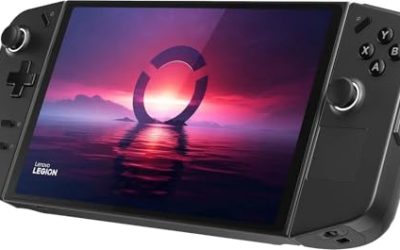
| Lenovo Legion Go 512GB |
| Check price on Amazon |
 MSI Claw 7 AI+ |
| Check price on Amazon |
Key takeaways
- Five hybrid gaming handhelds with expandable storage compared on screens, chips, memory and card slots, using only specs stated on each Amazon listing.
A hybrid gaming handheld makes one decision unavoidable: where your games will live as the library grows. Internal drives on these machines start at 256GB or 512GB, and a handful of large titles can fill that space fast. The real choice is how each device expands afterwards, through a microSD slot, a swappable internal SSD, or a newer Express card standard, because that path decides how painless the next upgrade feels.
This guide is for three kinds of buyers: PC players who want a full game library in a bag, console players who split time between a TV and a handheld screen, and upgraders who would rather add storage later than pay for a bigger drive today. Every device below was picked from the names and specifications on its Amazon product page, and each expansion claim is reported exactly as that listing states it.
Quick Picks
As an Amazon Associate we earn from qualifying purchases
| Product | Best for | Key spec from title |
|---|---|---|
| Valve Steam Deck OLED 512GB | Long trips where charging stops are rare | 512GB storage and an HDR screen |
| ASUS ROG Ally Z1 Extreme 512GB | A fast 120Hz screen in a compact 7-inch body | 7-inch 120Hz FHD touchscreen |
| Lenovo Legion Go 512GB | Buyers who want a swappable SSD later | 8.8-inch 144Hz WQXGA touchscreen |
| MSI Claw 7 AI+ | Heavy libraries plus everyday PC tasks | 32GB LPDDR5 RAM and a microSD card reader |
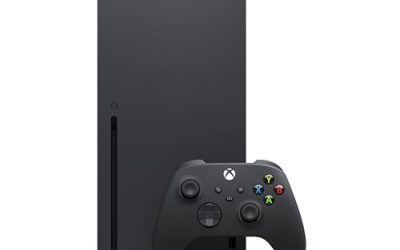
| Nintendo Switch 2 | One console shared between TV and handheld play | 256GB internal storage |
How to Choose
How the Storage Expands
Expansion hardware differs more than capacity numbers suggest. Most of the PC handhelds here pair an internal SSD with a microSD slot or reader, the Legion Go adds an expandable M.2 slot so the internal drive itself can grow, and the Switch 2 uses microSD Express cards, a newer standard that older microSD cards cannot substitute for. Before choosing, decide whether you are happy moving games onto a card or whether you want the option of replacing the drive itself, because that preference narrows this list quickly.
Screen Size and Refresh Rate
Screen choice is a trade between immersion and portability. The Legion Go’s 8.8-inch panel is the largest here and pairs 2560 by 1600 resolution with 144Hz, while the ROG Ally and MSI Claw stay at 7 inches and 120Hz for a smaller body. Higher refresh rates suit fast action and racing games, while a bigger, sharper panel rewards strategy, role-playing and text-heavy titles. Think about where you actually play: a large screen is wonderful on a sofa and noticeably bulkier in a crowded train seat or a small carry-on pocket.
Chip and Memory Headroom
Processing hardware decides how long a handheld stays comfortable with new releases. Three of these machines use AMD Ryzen Z1 Extreme or Intel Ultra 7-258V processors, and memory ranges from 16GB on the ROG Ally and Legion Go to 32GB on the MSI Claw. More RAM helps when games run alongside voice chat, downloads and storefront apps, and it gives bigger textures room to breathe. The Switch 2 follows a different model, with hardware built around its own game library, so compare it on the games you want rather than on raw specifications.
Docking and Hybrid Play
Hybrid means different things across this list. The Switch 2 is built to move between a television and handheld play as one console. The PC handhelds instead behave like small computers, connecting to monitors and accessories through their ports; the MSI Claw’s listing names Thunderbolt 4, which suits a desk setup with a dock and external storage. Decide honestly how often the device will leave your hands. If TV play is weekly, the true hybrid earns its place; if the screen stays portable, port selection matters less than storage and battery.
The 5 Best Options
Valve Steam Deck OLED 512GB
- Best for: Players whose library lives on Steam and who travel often.
- Storage: 512GB (listing spec field: Memory Storage Capacity 512 GB)
- Display: High Dynamic Range screen (title wording)
- Features named in the title: longer-lasting battery, faster downloads
- Model number: 814585022254
Players whose library lives on Steam and who travel often.
Confirm a live buy option before ordering, and check the live listing for its storage expansion details, since listing copies for this model vary and availability signals conflict.
The Steam Deck OLED suits players whose gaming already revolves around a Steam library and who would rather carry one device than a laptop. Its title leads with a High Dynamic Range screen, a longer-lasting battery and faster downloads, a combination aimed squarely at long sessions away from a desk. The 512GB of internal storage gives a reasonable starting library, and the OLED model is the pick here for travellers who value screen quality and time between charges over the largest possible display. Check its live listing carefully before ordering, because availability signals for this one conflict.
ASUS ROG Ally Z1 Extreme 512GB
- Best for: Players who want a compact body and a fast screen for action games.
- Display: 7-inch 120Hz FHD 1080p touchscreen
- Processor: AMD Ryzen Z1 Extreme
- Memory: 16GB LPDDR5 RAM
- Storage: 512GB NVMe PCIe 4 SSD
Players who want a compact body and a fast screen for action games.
Confirm current availability before ordering, since the Amazon-direct stock signal for this listing is dated, and check the live page for the exact variant on offer.
The ROG Ally fits players who want PC gaming in a smaller body without giving up screen speed. Its 7-inch screen runs at 120Hz with FHD 1080p resolution, and the Ryzen Z1 Extreme chip is paired with 16GB of LPDDR5 memory. Storage is where it earns its place in this roundup: the listing describes a 512GB NVMe PCIe 4 SSD with easy upgrade options plus a microSD slot, so a growing library can spill onto a card instead of forcing deletions. It suits commuters and action-game fans most.
Lenovo Legion Go 512GB
- Best for: Players who want the biggest screen and two different ways to add storage.
- Display: 8.8-inch touchscreen, 2560 x 1600, 144Hz
- Processor: AMD Ryzen Z1 Extreme
- Memory: 16GB RAM
- Storage: 512GB PCIe NVMe SSD
Players who want the biggest screen and two different ways to add storage.
Confirm a live buy option before ordering, since the listing copies checked are dated and a sibling kit listing for this model shows as unavailable.
The Legion Go is the big-screen option, built around an 8.8-inch touchscreen with a 2560 by 1600 resolution and a 144Hz refresh rate. It shares the Ryzen Z1 Extreme chip and 16GB of memory with the ROG Ally, but its storage story goes further: the listing copy describes a 512GB PCIe NVMe SSD with an expandable M.2 PCIe 4.0 x4 slot and a microSD reader. That makes it the natural choice for players who expect to upgrade the internal drive itself one day, and for anyone who plays strategy or role-playing games where screen space matters.
MSI Claw 7 AI+
- Best for: Buyers who want the most memory here for games plus everyday PC tasks.
- Display: 7-inch FHD 120Hz
- Processor: Intel Ultra 7-258V
- Memory: 32GB LPDDR5
- Storage: 512GB NVMe SSD
Buyers who want the most memory here for games plus everyday PC tasks.
Check current availability on the live listing before ordering, since the listing copies checked for this model are dated.
The MSI Claw 7 AI+ is the pick for buyers who treat a handheld as a small PC first. Its Intel Ultra 7-258V processor comes with 32GB of LPDDR5 memory, double the 16GB fitted to the ROG Ally and the Legion Go, which helps when games share the machine with chat, browsers and launchers. The 7-inch FHD screen runs at 120Hz, storage is a 512GB NVMe SSD, and the title names a MicroSD Card Reader for expansion plus Thunderbolt 4 for desk accessories. It runs Windows 11 Home, per the listing title.
Nintendo Switch 2
The Switch 2 is the only true hybrid in this group, a console designed to move between a TV and handheld play. Nintendo’s listing copy gives it 256GB of internal storage, part of which the system itself uses, and states that storage is expandable with microSD Express cards, sold separately, up to a maximum card size of 2 TB. It fits households and Nintendo fans who want one machine for the sofa and the school run, and who accept a smaller starting library in exchange for the simplest setup here.
Specs
- Internal storage: 256GB (a portion is used by the system, per listing copy)
- Expansion: microSD Express cards, sold separately; maximum card size 2 TB per listing copy
- Display: 7.9 inches (per Nintendo listing copy)
- Model: BEESKB6AA
Best for: Households that want one console for the TV and for handheld play.
Watch out for: Budget for a microSD Express card as a separate purchase if you plan to expand, since cards are not included and the Express standard differs from regular microSD.
ASIN: B0F3GWXLTS
Which One Fits Your Situation
You Spend Hours on Trains and Planes
Pick the Steam Deck OLED. Its listing leads with a longer-lasting battery and faster downloads, the two traits that matter most when a charger is hours away, and its HDR screen keeps games readable in bright cabins. Confirm current availability on the live listing before you order, because the signals for this model conflict.
You Want a Compact Body and Fast Motion
Pick the ASUS ROG Ally. The 7-inch 120Hz FHD touchscreen keeps fast-moving games smooth in the smaller body size, the Ryzen Z1 Extreme has 16GB of memory behind it, and the microSD slot plus SSD upgrade options mean a growing action library does not force hard choices about what to delete.
Your Console Lives Under the TV and in Your Bag
Pick the Nintendo Switch 2. It is the only true hybrid here, designed for docked TV play and handheld sessions with the same library. The 256GB of internal storage starts small, so plan on a microSD Express card, sold separately, once the collection grows past a handful of titles.
You Plan to Grow Into the Machine for Years
Look at the Legion Go and the MSI Claw 7 AI+. The Legion Go offers two growth paths, an expandable M.2 slot and a microSD reader, behind the biggest screen here. The Claw counters with 32GB of memory and Thunderbolt 4, suiting players who also dock at a desk with extra drives.
Common Mistakes
- Assuming any microSD card fits any slot: the Switch 2 takes microSD Express cards, a different standard from the microSD cards and readers named by the PC handhelds.
- Buying the handheld and forgetting the card: on the Switch 2, expansion cards are sold separately, so the first storage upgrade is a second purchase.
- Comparing only the internal capacity number and ignoring how expansion works, since a swappable M.2 slot and a card slot lead to very different upgrade days.
- Ordering a flagged listing without checking it first: several of these listings carry dated or conflicting availability signals, so confirm a live buy option on the page.
- Choosing the largest screen for travel without picturing it in your bag, where an 8.8-inch device crowds out everything else.
Frequently Asked Questions
What counts as expandable storage on a gaming handheld?
It means the storage can grow after purchase instead of being fixed at the factory size. On this list that takes three forms: a microSD slot or card reader on the PC handhelds, an expandable M.2 slot for an internal SSD on the Legion Go, and microSD Express cards on the Switch 2. Each listing states its method, so check the wording before assuming an existing card will work.
Is 512GB enough for a gaming handheld?
For a moderate library, yes, at least at first. Four of these five devices start at 512GB, which holds a working mix of large and small titles, but modern headline games are big enough that heavy players will fill it. That is exactly why expansion matters here: a microSD card or a larger replacement SSD lets the library keep growing without deleting favourites after every new release.
Can these handhelds play games on a TV?
The Switch 2 is designed for it, moving between handheld play and the television as a single hybrid console. The PC handhelds behave more like small computers and connect to external screens through their ports; the MSI Claw’s listing names Thunderbolt 4 for that kind of setup. Check each product page for the ports and any dock requirements before planning a living-room setup around one.
Which memory card should I buy for one of these handhelds?
Match the card to the standard the listing names. The ROG Ally takes microSD cards in its slot, the Legion Go and MSI Claw provide microSD readers, and the Switch 2 needs microSD Express cards, which are a newer standard and are sold separately. A standard microSD card will not substitute for an Express card, so read the slot wording on the product page before ordering.